Introduction
A pimple shows up overnight, and the first instinct is to do something about it fast. That is exactly why acne patches have become one of the most talked-about skincare tools in recent years. But a lot of people still wonder, how do pimple patches work, and are they actually doing anything useful, or is it just a trend?
The short answer is yes, they work. But there is a bit more to it than just sticking something on your face and hoping for the best. This guide breaks down exactly what pimple patches do, when they are worth using, and how they fit into a proper skincare routine with the right supporting products.
What Are Acne Patches and How Do Pimple Patches Work?
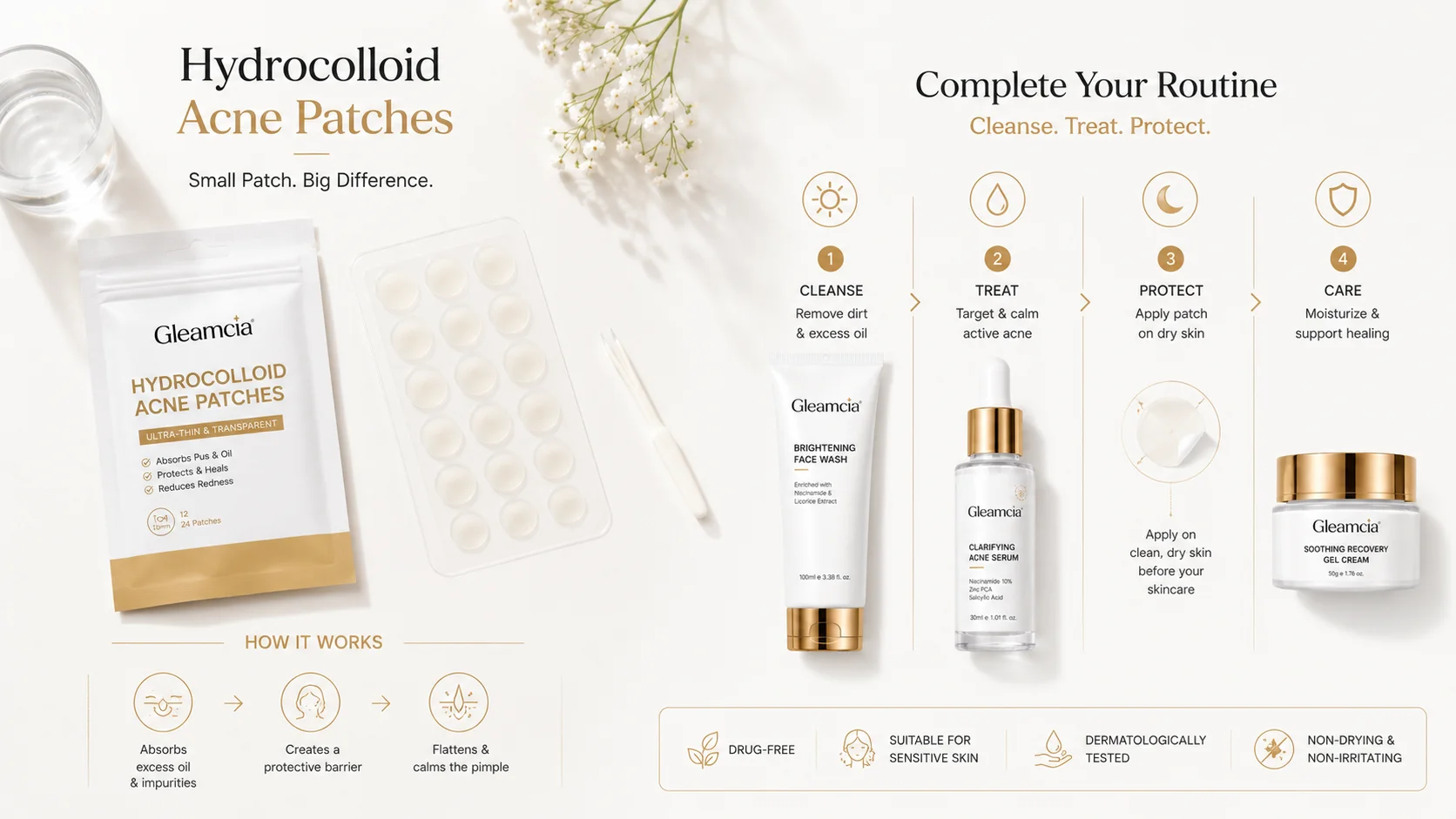
Acne patches are small, round, thin stickers made from a material called hydrocolloid. Hydrocolloid was originally developed for wound care and works by absorbing fluid from the skin. When you press one onto a pimple, it creates a sealed, moist environment over that spot. That moisture activates the hydrocolloid, which draws out pus and excess sebum from the pimple over several hours.
So, how do pimple patches work on a practical level? The patch pulls the contents of the spot toward the surface rather than letting you pop it with your fingers. It also acts as a physical barrier against bacteria, dirt, and the very common habit of touching your face without realising it.
Some patches stop at the hydrocolloid base. Others go further and include active ingredients like salicylic acid, niacinamide, or tea tree oil to help reduce inflammation and fight bacteria more directly. These are usually described as medicated or microneedle patches, and they work a little differently because the active ingredients are meant to penetrate the skin rather than just absorb fluid.
The American Academy of Dermatology notes that hydrocolloid dressings create conditions that support healing and reduce irritation, which is part of why these patches have become a genuinely effective spot treatment option.
Who Should Use Acne Patches?
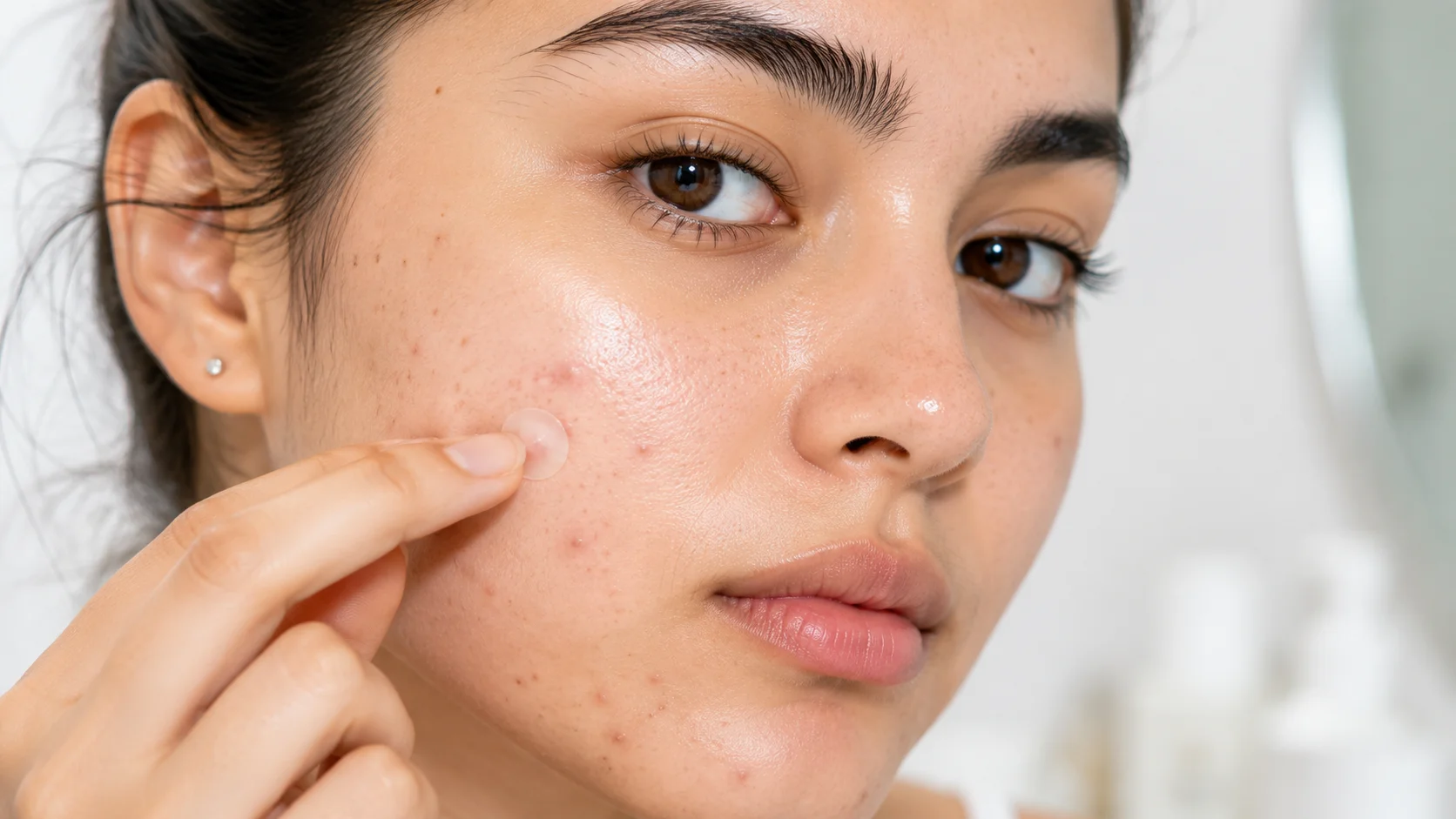
Acne patches are a good option for people who deal with occasional breakouts, persistent pimples, or surface-level whiteheads. They work best for:
- Oily and combination skin types prone to hormonal or stress-related pimples
- People who struggle with touching or picking at their skin
- Anyone dealing with a single, visible pimple before an important occasion
- Those who want a targeted, low-effort spot treatment without a complex layering routine
- Teenagers and adults in Pakistan who need a practical solution for sudden breakouts in humid weather
They are not the right tool for deep cystic acne, which sits beneath the surface and does not respond well to topical patches. And they are not a substitute for a consistent skincare routine.
Benefits of Using Acne Patches for Spot Treatment
- Absorbs pus and sebum directly from the pimple without squeezing or touching it
- Creates a bacteria-free barrier over the spot, preventing further infection
- Reduces the urge to pick, which is one of the main reasons pimples leave scars
- Flattens the pimple faster by maintaining a controlled healing environment
- Works overnight while you sleep, so you can wake up to a visibly reduced spot
- Minimises post-pimple redness when used consistently through the healing cycle
- Suitable for most skin types, including sensitive skin, when used correctly
How to Use Acne Patches Correctly
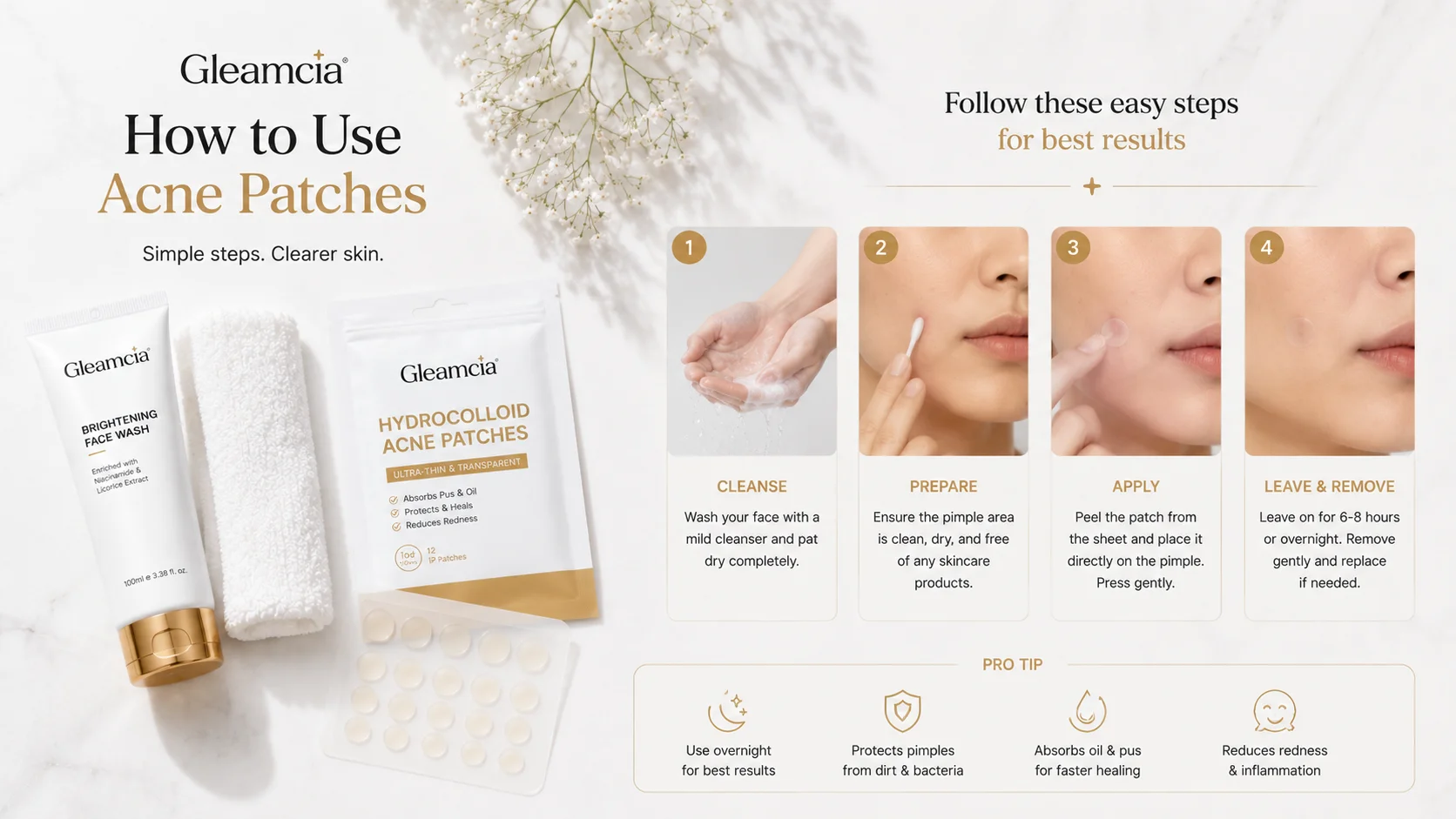
Getting the most out of a pimple patch comes down to prep and timing. Here is the process:
Step 1 – Cleanse the skin thoroughly. Start with a face wash that removes excess oil, dirt, and surface bacteria. The Gleamcia Brightening Face Wash is a good starting point as it clears the skin without stripping it.
Step 2 – Pat the skin completely dry. This is important. Hydrocolloid patches need a dry, clean surface to stick properly. Damp skin will cause the patch to lift and lose contact with the spot.
Step 3 – Apply the patch directly onto the pimple. Press firmly at the edges to create a seal. Make sure the patch is sitting flat on the skin.
Step 4 – Leave it on for at least 6 to 8 hours. Most people apply at night and remove the next morning. The patch will turn white or opaque as it absorbs fluid, which means it is working.
Step 5 – Gently remove the patch and follow with your regular routine. After removal, apply a calming serum or lightweight moisturiser. The Gleamcia Pore-Refining and Brightening Serum works well here because it targets pores and uneven tone left behind after a breakout.
Step 6 – Apply SPF during the day if you are going outside. Post-acne skin is more vulnerable to sun damage and pigmentation.
How Soon Do Results Appear with Pimple Patches?
A single overnight application can reduce the size and redness of a surface-level pimple noticeably by the next morning. For a pimple that still has fluid inside, two to three nights of consistent patching tends to bring it to a much flatter, calmer state.
Results do vary depending on the type of pimple, how deep it sits, and how quickly that person’s skin heals. Deeper pimples take longer, and hormonal breakouts often need a more comprehensive routine rather than spot treatment alone.
How Often Should You Use Acne Patches?
You can use a pimple patch every night on an active spot until it has healed, then stop once the skin is flat and no longer inflamed. There is no real risk of overuse since the patch is a physical treatment rather than a chemical one.
The important thing is not to rely on patches as a standalone solution. Building a routine that includes a good cleanser, an active serum, and a night cream will address the skin environment that allows breakouts to keep coming back. The Gleamcia Overnight Glow Therapy Night Cream supports overnight repair of the skin barrier, which is especially useful during a breakout phase.
Aftercare Tips for Acne-Prone Skin
Do:
- Follow up after a pimple patch with a calming serum or barrier-repair product
- Use SPF every morning, especially while skin is healing post-breakout
- Cleanse twice daily to keep pores clear of the oil buildup that triggers pimples
- Be consistent with your full routine, not just the patches
Do not:
- Pull off the patch too quickly, as this can disturb healing skin
- Apply the patch over moisturiser or toner, as this reduces adhesion
- Use a patch on an unopened cystic pimple with no visible head, as it will not be effective
- Layer multiple active ingredients on top of the patched area right after removal
Possible Side Effects and Precautions
Acne patches are generally well-tolerated. However, a few things to be aware of:
People with very sensitive skin may experience slight redness around the patch edge from the adhesive. This usually fades within an hour. If the skin around the patch area feels raw or irritated repeatedly, try a smaller patch size or a patch with a gentler adhesive formula.
Medicated patches with salicylic acid or retinol can occasionally cause dryness or mild peeling if used too frequently. Follow the usage guidance on the specific product you choose.
If you are dealing with severe, widespread acne rather than occasional spots, it is worth speaking with a dermatologist about a broader treatment plan rather than relying solely on patches.
Acne Patches vs Other Spot Treatments: What Works Better?
| Treatment | How It Works | Best For | Downside |
| Hydrocolloid Patch | Absorbs fluid, creates protective barrier | Whiteheads, surface pimples | Not effective on deep cystic acne |
| Salicylic Acid Spot Gel | Chemically exfoliates inside the pore | Oily skin, blackhead-prone acne | Can dry out surrounding skin |
| Benzoyl Peroxide Cream | Kills acne bacteria directly | Inflamed, bacterial pimples | Bleaches fabric, causes peeling |
| Tea Tree Oil | Natural antimicrobial, reduces redness | Mild breakouts, sensitive skin | Slower to act, needs dilution |
| Niacinamide Serum | Regulates sebum, reduces pigmentation | Ongoing routine for oily skin | Not a fast spot fix on its own |
The takeaway here is that patches are great for dealing with pimples that have already formed. Ingredients like niacinamide and salicylic acid work better as part of a preventive routine. The smartest approach combines both.
Cost Factors for Acne Patches in Pakistan
Price varies depending on several factors. The number of patches per pack is the first thing to consider since some packs contain 20 while others go up to 100. Medicated patches with added actives like salicylic acid or niacinamide tend to be priced higher than basic hydrocolloid patches.
Brand origin matters too. Imported patches from Korean or US brands are generally priced higher due to import costs and duties. Locally available options give better value without compromising on the core hydrocolloid technology.
Buying patches as part of a skincare bundle or alongside a face wash and serum from a single store is usually more cost-effective than purchasing individual items. Shipping costs also apply depending on where you are ordering from within Pakistan, so bundling your order helps reduce that per-item cost.
Why Choose Gleamcia for Your Acne Routine
Gleamcia is built around active ingredients that actually work, and every product in the skincare range is formulated with real skin concerns in mind. Here is why it makes sense to build your acne routine with Gleamcia:
- Clinically inspired formulations with proven active ingredients, not filler-heavy products
- Targeted solutions for oily skin, post-acne pigmentation, and pore congestion
- Quality-checked before every dispatch from our warehouse in Karachi
- Nationwide delivery across Pakistan so you can order from anywhere
- Transparent ingredient and product information with no confusing claims
Browse the full Gleamcia Skin Care range to see what fits your current routine.
Frequently Asked Questions About How Pimple Patches Work
1. How do pimple patches work on deep cystic acne? They do not work well on cystic acne because those pimples sit too deep beneath the skin’s surface for hydrocolloid to reach. Cystic acne needs prescription treatment or dermatological guidance rather than a topical patch.
2. Can I use a pimple patch during the day? Yes. Clear, skin-toned patches are designed for daytime use. They are thin enough to sit under makeup. Just make sure the skin is clean and fully dry before application.
3. How long should I leave a pimple patch on? A minimum of 6 hours is recommended, and overnight use is ideal. Remove when the patch turns white or opaque, which signals that it has absorbed as much as it can from that spot.
4. Does Gleamcia ship skincare products across Pakistan? Yes, Gleamcia offers nationwide delivery across Pakistan. You can order via gleamcia.com or place your order directly on WhatsApp at 0336 1223363.
5. What should I apply after removing a pimple patch? After removing the patch, the skin is clean and a little open. A calming serum like the Gleamcia Pore-Refining and Brightening Serum helps reduce any remaining redness and supports the skin’s recovery. Follow with SPF in the morning.
Build a Complete Acne Routine with Gleamcia
Pimple patches are one piece of the puzzle. They work brilliantly for active spots, but the skin still needs a cleanser that prevents new breakouts, a serum that manages oil and pigmentation, and a night cream that restores the barrier while you sleep. Gleamcia has all three.
Order the Gleamcia Brightening Face Wash, the Pore-Refining and Brightening Serum, and the Overnight Glow Therapy Night Cream via our online store at gleamcia.com, or reach us on WhatsApp at 03361223363. Nationwide delivery across Pakistan is available on every order.